

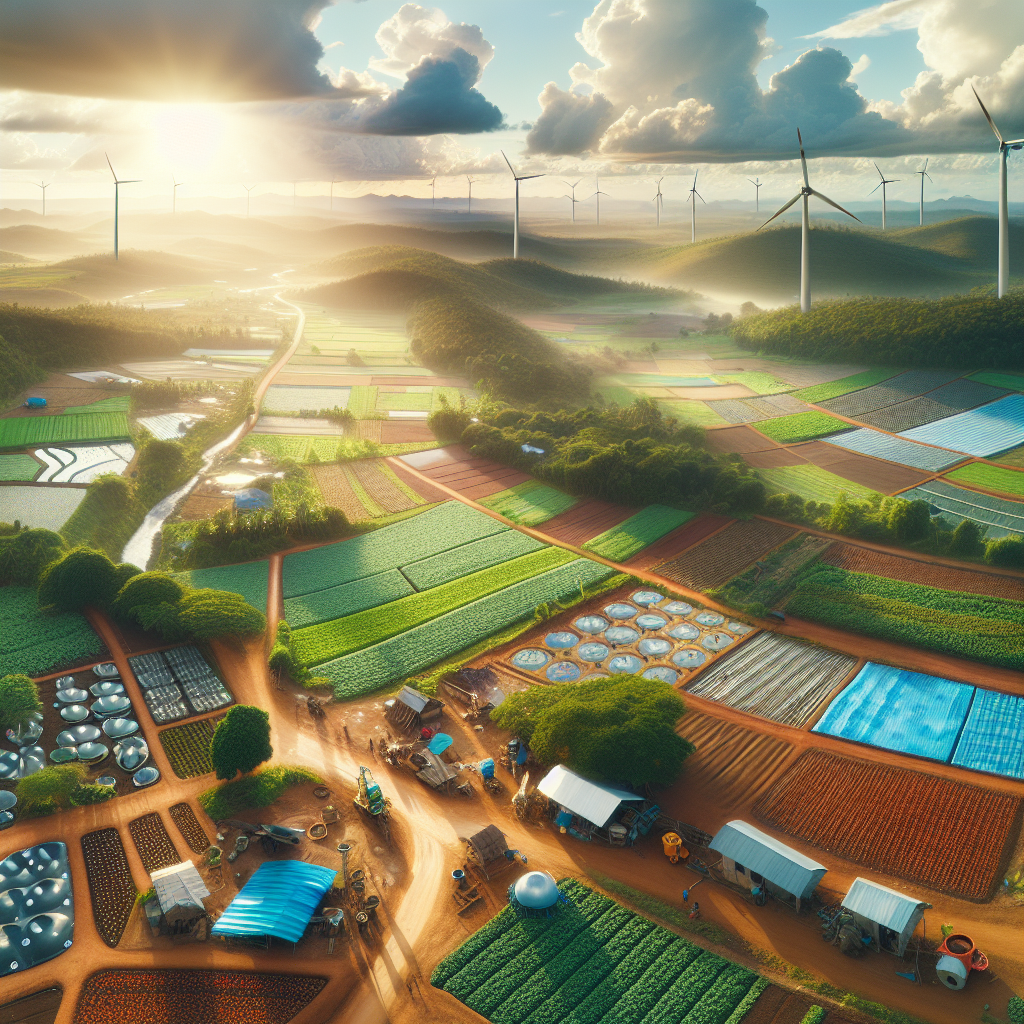
In our interconnected world, events unfolding thousands of miles away can have profound effects on rural communities like ours in Como, Colorado. Understanding these global influences is crucial for building resilience and ensuring the sustainability of our local livelihoods.
Climate Change and Environmental Shifts
Climate change is a pressing global issue with direct repercussions for rural areas. Rising temperatures and altered precipitation patterns can disrupt traditional farming practices, leading to reduced crop yields and increased vulnerability to pests and diseases. For instance, the National Climate Assessment highlights that rural communities are highly dependent on natural resources and are particularly susceptible to climate-related impacts, which can shift the locations where economic activities like agriculture and forestry can thrive. [Source: National Climate Assessment]
Economic Globalization and Market Volatility
The global economy’s fluctuations can significantly impact rural economies. Trade disputes, international market shifts, and supply chain disruptions can lead to price volatility for agricultural products. Small-scale farmers and producers often bear the brunt of these changes, facing challenges in maintaining stable incomes and accessing necessary resources. The International Fund for Agricultural Development (IFAD) notes that global crises, such as conflicts affecting major trade routes, can create severe disruptions for small-scale producers worldwide, emphasizing the need for resilient local food systems. [Source: IFAD]
Health Crises and Pandemics
Global health emergencies, like pandemics, can strain rural healthcare systems, which often have limited resources. The recent measles surge across U.S. states has disproportionately affected marginalized communities, highlighting the need for robust healthcare infrastructure and proactive public health measures in rural areas. [Source: The World Now]
Building Local Resilience
While global events are beyond our immediate control, strengthening local resilience can mitigate their impacts. Diversifying local economies, investing in sustainable agricultural practices, and enhancing community health resources are vital steps. Additionally, fostering strong community networks and staying informed about global developments can empower rural communities to adapt and thrive amidst global challenges.
By acknowledging the interconnectedness of our world and proactively addressing these challenges, communities like Como can navigate the complexities of global events and safeguard our local way of life.