

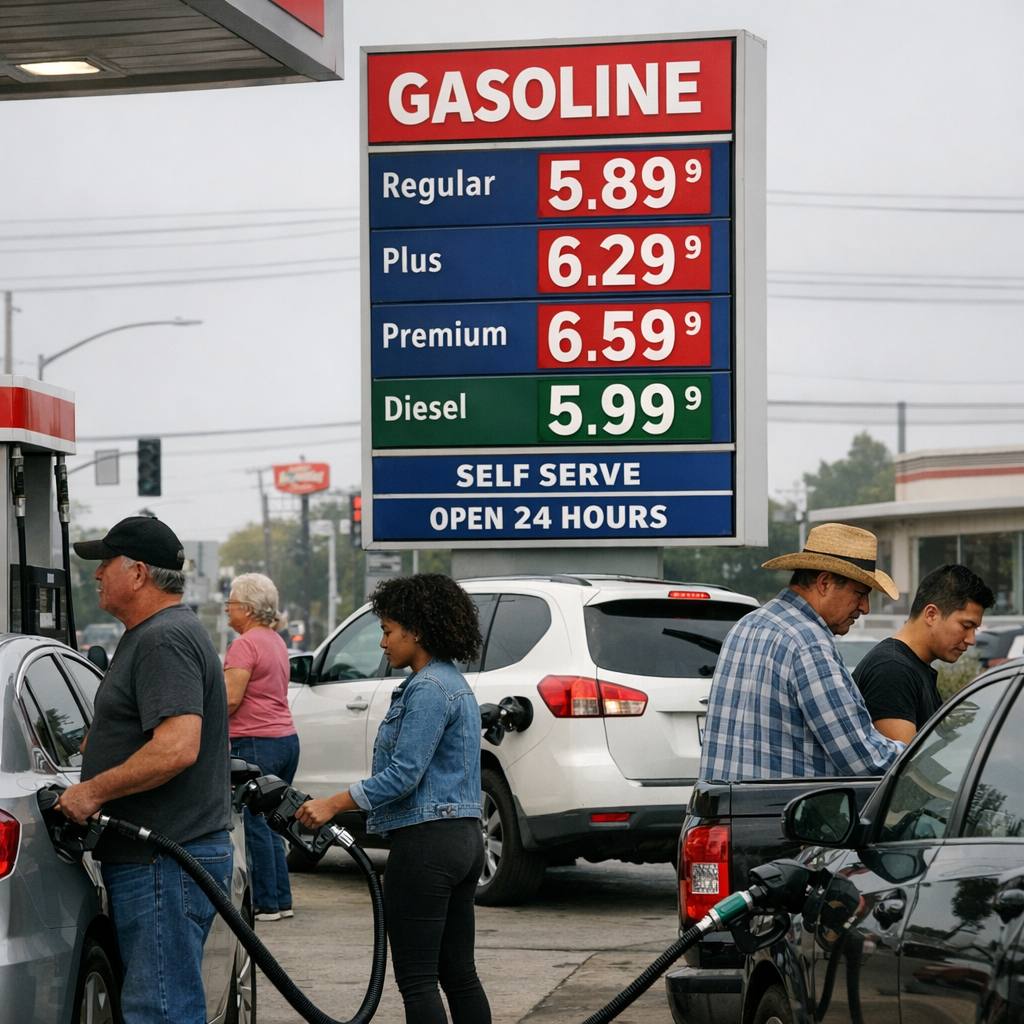
As the nation grapples with economic challenges, many Americans are feeling the pinch of rising inflation and escalating energy costs. Recent data indicates a surge in consumer prices, with inflation reaching 3.8% in April, the highest in three years. This uptick is largely attributed to increased energy expenses following geopolitical tensions that have disrupted global oil supplies.
Gasoline prices have soared, with the national average exceeding $4.50 per gallon. In some states, prices have even surpassed $5, placing a significant burden on household budgets. This surge in energy costs has led to broader economic concerns, as higher transportation and production expenses often translate to increased prices for goods and services across the board.
In response to these challenges, the administration has proposed measures such as a temporary suspension of the federal gas tax to alleviate some of the financial strain on consumers. However, this proposal has encountered resistance from lawmakers concerned about the potential impact on infrastructure funding, which relies heavily on gas tax revenues.
On a personal level, many individuals are adjusting their spending habits to cope with the rising costs. Strategies include reducing discretionary spending, seeking more fuel-efficient transportation options, and exploring alternative energy sources to mitigate the impact of higher utility bills.
As the economic landscape continues to evolve, staying informed and proactive is essential. Engaging with community resources, participating in local discussions, and exploring financial planning options can help individuals and families navigate these uncertain times more effectively.