

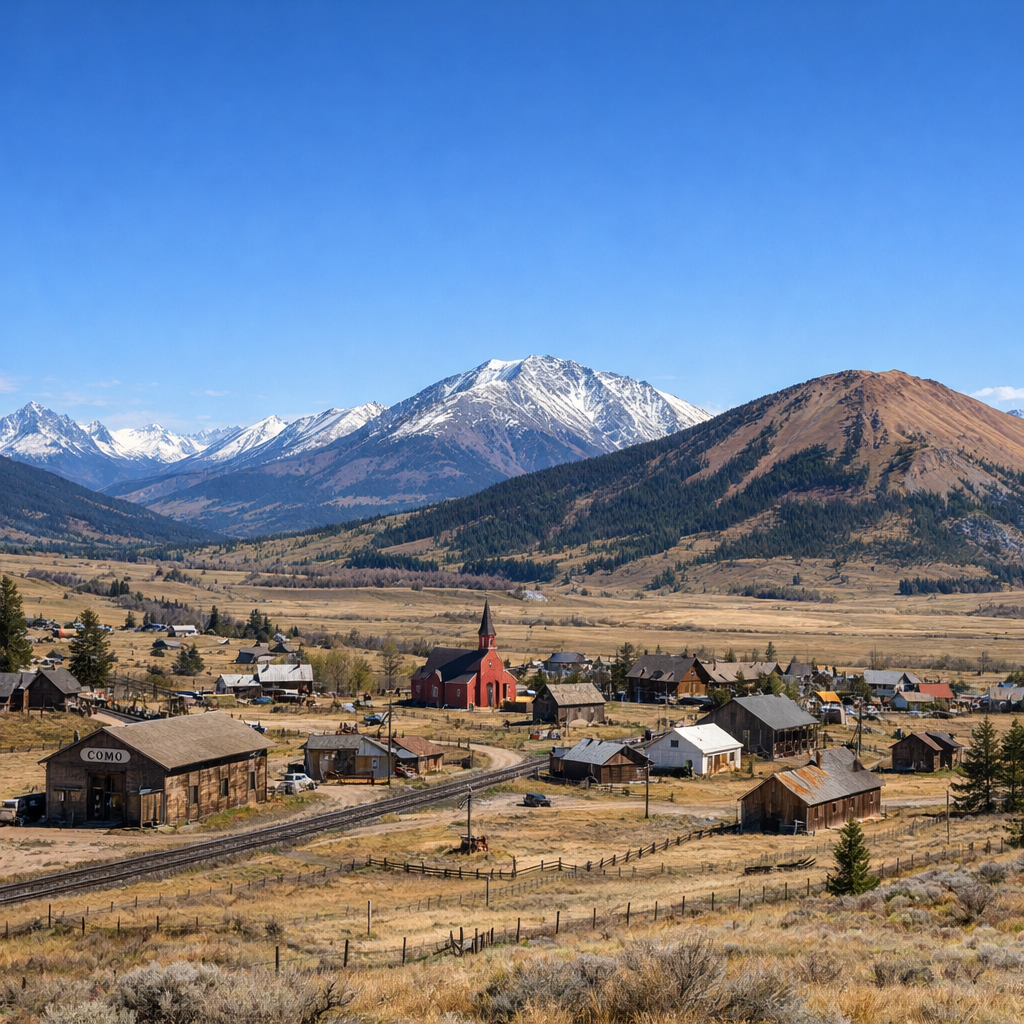
Como, Colorado, nestled in the heart of the Rocky Mountains, experiences a distinctive climate characterized by significant seasonal variations and unique environmental challenges. Understanding these patterns is essential for residents and visitors alike.
Seasonal Climate Overview
Winter
Winters in Como are notably cold. January, for instance, sees average high temperatures around 22.5°F (-5.3°C) and lows dipping to 0.7°F (-17.4°C). Snowfall is substantial, with January averaging 10.04 inches (255mm) over approximately 17.1 days. The relative humidity during this month is around 87%, contributing to the chilly conditions.
Spring
Spring brings a gradual warming trend. By March, average highs reach 28.8°F (-1.8°C), with lows around 8.1°F (-13.3°C). Snowfall remains significant, averaging 18.43 inches (468mm) over 21.5 days. The relative humidity decreases slightly to 87% in March.
Summer
Summers are relatively mild compared to other regions. July, the warmest month, typically sees average highs of 64.9°F (18.3°C) and lows of 41.5°F (5.3°C). Rainfall peaks in July, averaging 3.35 inches (85mm) over 22.8 days, providing much-needed moisture to the area.
Autumn
Autumn temperatures begin to cool, with October averaging highs of 43.3°F (6.3°C) and lows of 22.3°F (-5.4°C). Snowfall resumes, averaging 10.12 inches (257mm) over 12.3 days. The relative humidity in October is around 65%.
Environmental Concerns
Water Quality
Como’s proximity to historical mining sites poses challenges to water quality. Abandoned mines can lead to acid mine drainage, introducing heavy metals into waterways. This contamination affects aquatic ecosystems and can impact drinking water sources. State agencies are actively working to address these issues through remediation efforts.
Air Quality
Regional haze, caused by fine particles like dust and smoke, can reduce visibility and affect air quality. These particles originate from both natural sources, such as wildfires, and human activities. Monitoring and mitigating these pollutants are crucial for maintaining the health of residents and the environment.
Climate Change Impacts
Como, like much of Colorado, is experiencing the effects of climate change, including increased temperatures and altered precipitation patterns. These changes can exacerbate drought conditions, affect water availability, and increase the frequency of wildfires. Community awareness and proactive measures are essential to address these challenges.
Understanding Como’s climate and environmental issues is vital for fostering a resilient and informed community. By staying informed and engaged, residents can contribute to preserving the natural beauty and health of our region.